

Bathroom Waterproofing Townsville Homeowners Can Rely On
Wet area waterproofing in Townsville is one of those jobs where the consequences of getting it wrong show up long after the tiles are laid and the renovation is done. Bathrooms cop the worst of it — sustained water exposure every single day, steam, humidity, and the kind of moisture loading that works its way into wall cavities and subfloor structures when the membrane beneath isn’t installed correctly. In Townsville’s tropical climate, where ambient humidity is already high year-round and the wet season compounds everything, a bathroom that isn’t waterproofed to standard isn’t just a cosmetic problem waiting to happen — it’s a structural one.
We’re licensed waterproofing trades working across Townsville and its suburbs — Kirwan, Annandale, Aitkenvale, Hermit Park, Mount Louisa, Idalia, Thuringowa, and Bohle Plains. Every bathroom waterproofing job we carry out is installed to AS 3740, completed by a licensed waterproofer under Queensland building regulations, and backed by a workmanship guarantee. Whether you’re renovating an older home in Hermit Park or building new in Bohle Plains, we bring the technical knowledge and the licensing to do the job correctly from the first coat to the final inspection.
I WANT A FREE QUOTE ▼
What Is Wet Area Waterproofing and Why Does It Matter in Townsville
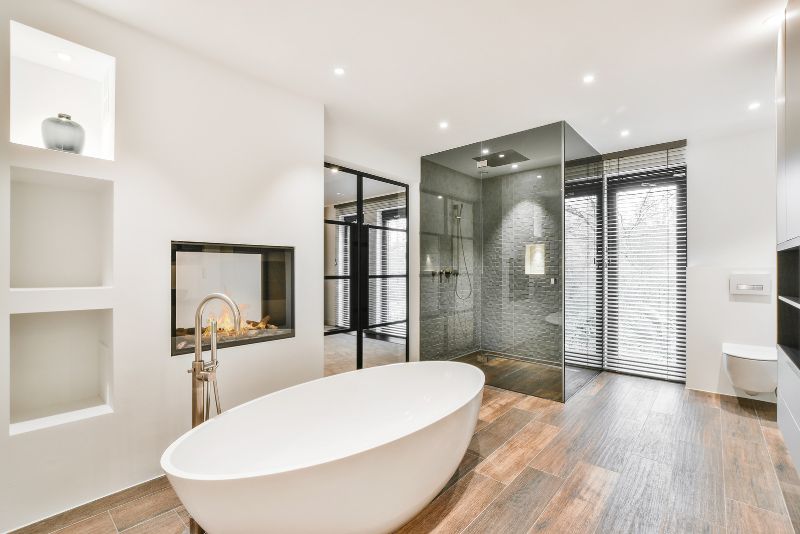
Wet area waterproofing is the application of a continuous, compliant membrane system across the floors and walls of any space in your home that receives regular water exposure. In a bathroom, that means the shower recess, the floor, and the wall surfaces within the wet zone — all sealed to prevent water from penetrating the substrate beneath and working its way into the structural elements behind and below.
In Townsville, the stakes are higher than in most parts of Australia. The tropical climate delivers sustained humidity year-round and wet season rainfall that compounds moisture loading across every surface in your home. Bathrooms in older Queenslander-style homes and the 1970s and 1980s brick constructions common across suburbs like Kirwan, Aitkenvale, and Hermit Park are frequently operating on original waterproofing that is well past its serviceable life — or was never installed correctly to begin with.
Correct waterproofing protects your tiles, your walls, your subfloor, and your home’s structural integrity. Done right, it’s the last conversation you’ll need to have about moisture in your bathroom.
Junction and Penetration Treatment — Where Most Waterproofing Failures Begin
Junctions are the transitions between the floor and wall, between the wall and shower screen, and between horizontal and vertical surfaces throughout the wet zone. These are the points where movement in the substrate — thermal expansion, slight structural flex, normal settlement — concentrates stress on the membrane. Without reinforcing fabric bedded into wet membrane at every junction, these points crack and open over time, allowing water direct access to the substrate beneath.
Why penetrations fail
Penetrations are the points where tapware, drain bodies, and fixings pass through the waterproofed surface. Each one is a potential breach in the membrane if not treated correctly. Every penetration requires the membrane to be taken up and around the fitting and sealed completely — no gaps, no thin spots, no bridging across the opening.
How we treat them
Every junction in the wet zone receives reinforcing fabric embedded into the membrane coat. Every penetration is sealed independently before the field membrane is applied over the top. These aren’t optional steps — they’re where compliant, long-lasting waterproofing is won or lost.
Shower Recess Waterproofing — The Most Demanding Application in Any Bathroom
The shower recess is the most technically demanding wet area in any home. It receives daily direct water exposure across every surface — floor, walls, and the junctions between them — and it does so under conditions that put more sustained stress on a waterproofing membrane than any other domestic application.
Under AS 3740, shower recesses require waterproofing to the full height of the walls within the recess, with the membrane extending beyond the recess perimeter at floor level and all junctions and penetrations treated with reinforcing fabric bedded into the membrane. These aren’t optional provisions — they’re the minimum compliance standard for a reason.
In Townsville, the combination of daily shower use and the ambient humidity that persists across the tropical wet season means shower recesses in older homes are frequently operating on membranes that have long since passed their useful life. Hairline cracks at floor-wall junctions, failing grout lines, and efflorescence on tiles are all indicators that water is already moving through the membrane beneath.
We waterproof shower recesses to the full AS 3740 standard — correct membrane, correct junction treatment, correct height, and licensed sign-off on completion.
Waterproofing Membrane Types — How We Select the Right System for Your Job
Not every waterproofing membrane is suited to every application. Selecting the correct system for the specific substrate, environment, and compliance requirement is a technical decision — and applying a single product type across every job regardless of the conditions is one of the more common ways waterproofing installations fall short.
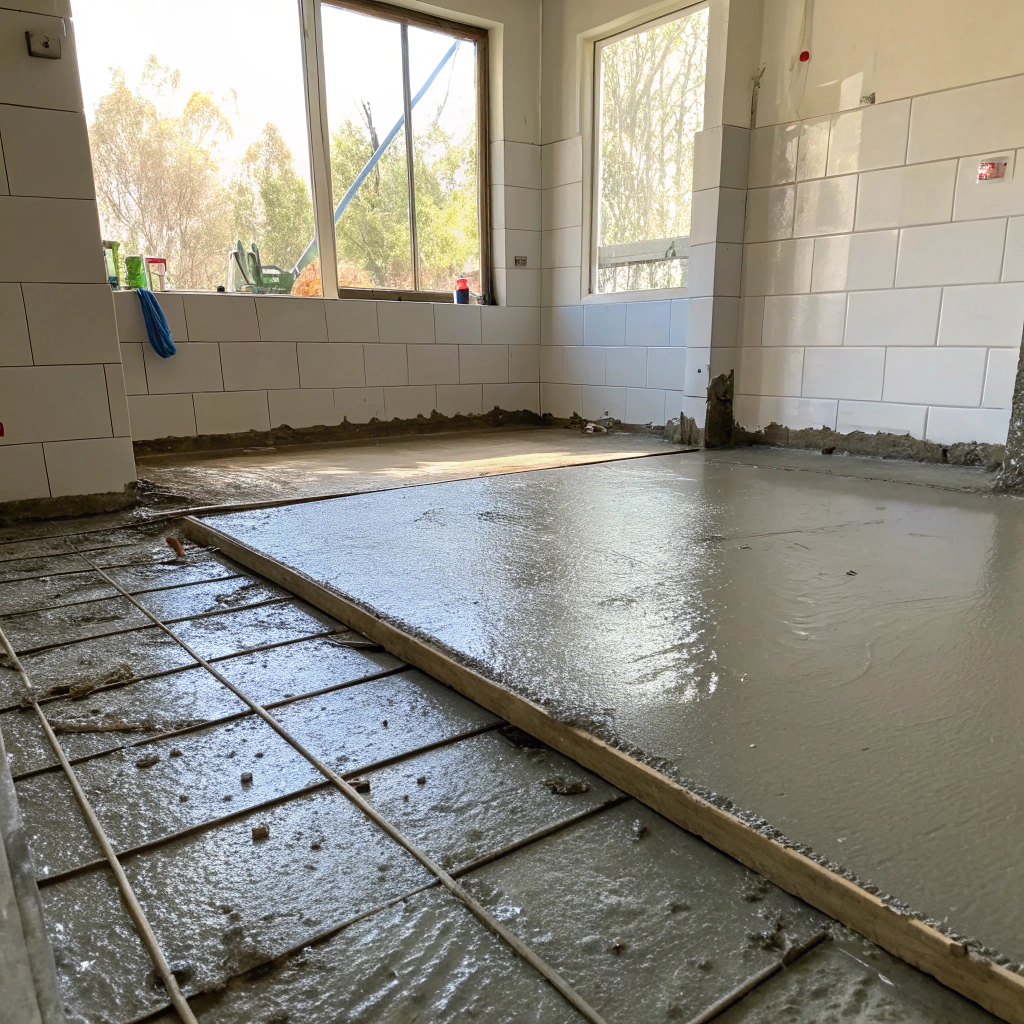
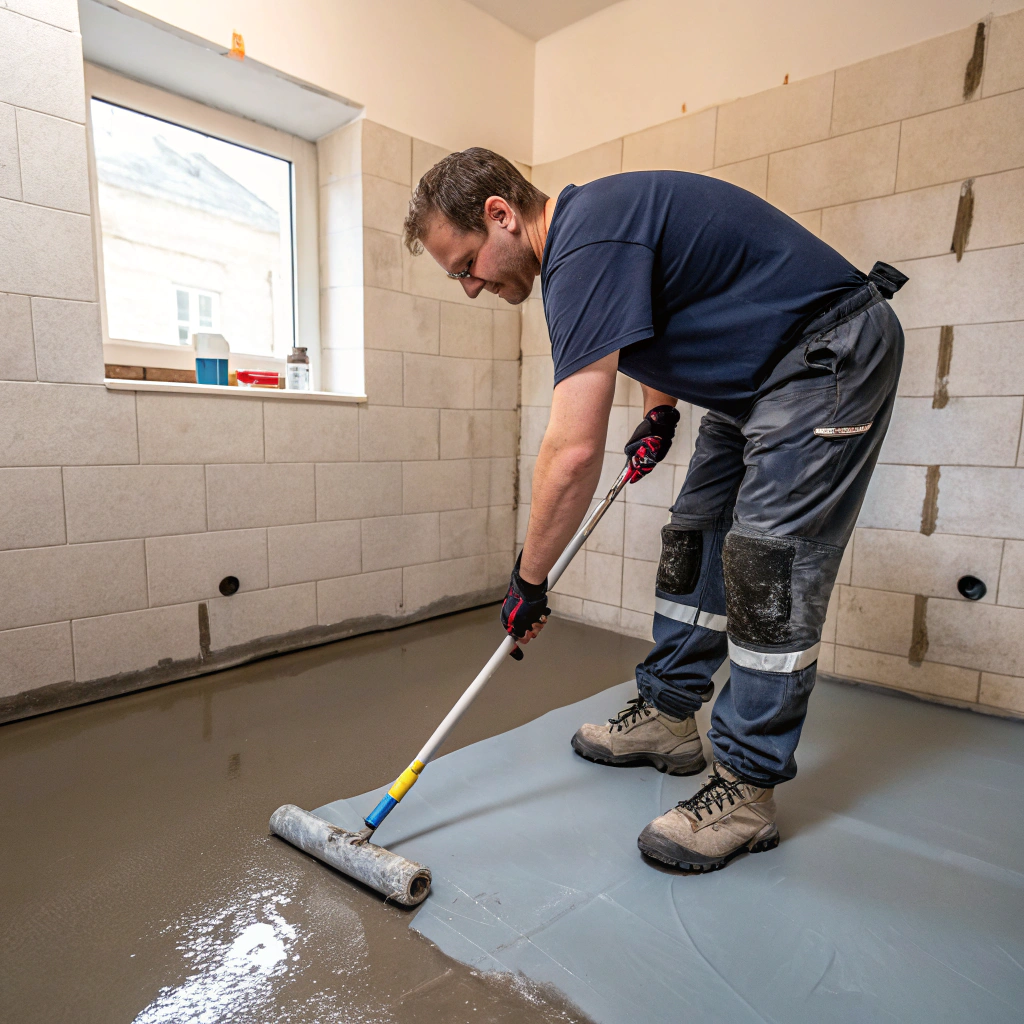
Liquid applied membranes are the most widely used in domestic bathroom applications. Applied by brush or roller, they form a seamless membrane across the substrate and are well suited to the irregular surfaces and complex geometries common in residential bathrooms.
Sheet membranes are pre-formed membrane bonded directly to the substrate and used where consistency of thickness across the surface is critical.
Polymer modified membranes offer flexibility suited to substrates subject to movement — particularly relevant in older Townsville homes where some degree of structural flex or settlement is present.
The membrane we specify for your bathroom is determined by the substrate condition, the wet area application, and the compliance requirement under AS 3740 — not by what’s easiest to apply. That’s the difference between waterproofing that performs and waterproofing that’s applied and forgotten about until something goes wrong.
Surface Preparation — Why It Determines How Long Your Waterproofing Lasts
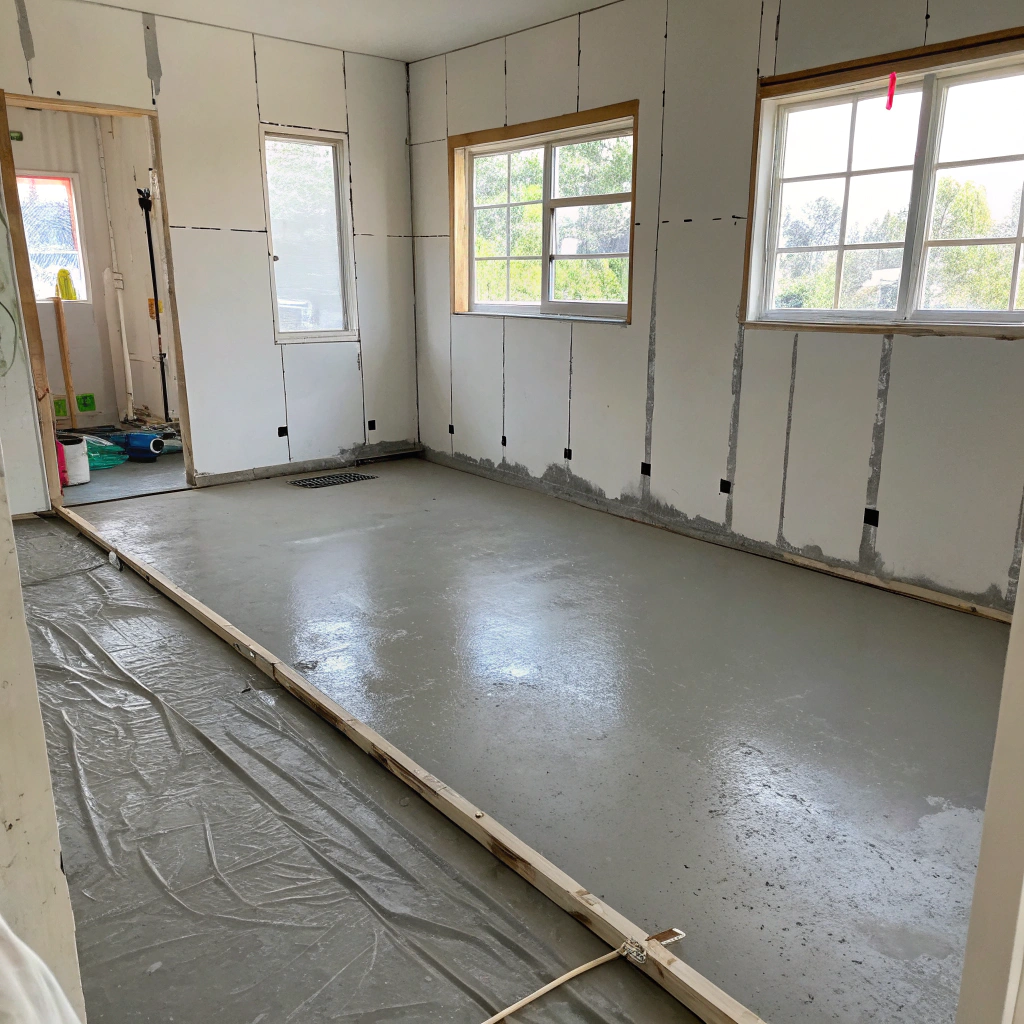
A waterproofing membrane is only as good as the surface it’s bonded to. Surface preparation is the step that determines whether a membrane performs for decades or begins to fail within years — and it’s the step most commonly rushed on jobs where price has been prioritised over quality.
What does correct preparation involve
Before any membrane is applied, the substrate needs to be structurally sound, clean, dry, and free of any contamination that would compromise adhesion. That means:
- Removal of any existing adhesive, paint, or coating that would prevent the membrane from bonding directly to the substrate
- Grinding back any high points or ridges that would create thin spots in the membrane
- Filling any voids, cracks, or low points that would allow the membrane to bridge rather than bond
- Checking for and addressing any moisture already present in the substrate before sealing it in
- Applying the correct primer for the specific substrate — concrete, fibre cement sheet, and masonry each requires a different priming approach.
Why it matters in Townsville
Older homes across Kirwan, Annandale, Thuringowa, and Idalia frequently present substrates in poor condition — cracked render, deteriorating fibre cement sheet, or concrete with surface contamination from decades of use. Thorough preparation on these substrates isn’t optional. It’s what separates waterproofing that holds from waterproofing that doesn’t.
What to Expect From Our Waterproofing Process
Every wet area waterproofing job we carry out follows the same structured process — from initial assessment through to licensed sign-off. Here’s what that looks like from your end.
Initial assessment We inspect the existing substrate condition, identify any areas requiring remediation before waterproofing can proceed, and confirm the applicable compliance requirements for your specific application under AS 3740.
Surface preparation All substrate preparation is completed before any membrane is applied — grinding, filling, priming, and addressing any moisture already present in the surface.
Membrane application The correct membrane system for your substrate and application is applied to the required coverage rate and thickness across all surfaces within the wet zone.
Junction and penetration treatment Every floor-to-wall junction receives reinforcing fabric bedded into the membrane coat. Every penetration is independently sealed before the field membrane is applied over the top.
Curing management The membrane is allowed to cure fully before any tiling proceeds — a step that can’t be rushed without compromising the integrity of the installation.
Inspection and sign-off All work is inspected and signed off by a licensed waterproofer under Queensland building regulations, providing the compliance documentation your renovation requires.
Frequently Asked Questions
Do I need a licensed waterproofer for my bathroom renovation in Townsville?
Yes. Under Queensland building regulations, wet area waterproofing in domestic bathrooms must be carried out by a licensed waterproofer. Unlicensed installation can result in failed building inspections, voided insurance coverage, and personal liability for any resulting water damage to your property.
What Australian Standard governs bathroom waterproofing?
Bathroom waterproofing in domestic properties is governed by AS 3740 — Waterproofing of Domestic Wet Areas. This standard sets the minimum requirements for membrane application, junction treatment, and waterproofing height across bathrooms, shower recesses, and laundries throughout Australia.
How do I know if my existing bathroom waterproofing has failed?
Common indicators include efflorescence on tiles, grout that cracks and returns repeatedly, tiles that sound hollow when tapped, persistent mould at floor-wall junctions, and water staining on ceilings or walls adjacent to the bathroom. Any of these warrants a waterproofing assessment.
Is waterproofing required every time wet area floor tiles are replaced?
The existing waterproofing is assessed when tiles are removed. Where the membrane has failed, is non-compliant, or is absent entirely — which is common in older Townsville homes — waterproofing is reinstated to AS 3740 before tiling proceeds.
Contact us!
Have you been thinking about renovating your bathroom?
Townsville Bathroom Renovations Excel provides the highest quality work and attention to detail for all kinds of bathroom designs. Every design project we take on is personalised and tailored to meet our client’s needs.
Your dream bathroom awaits! Let us help turn that idea into reality with high-end luxury features, complex tile patterns and creative storage solutions to create a truly unique experience in your home.
Contact Townsville Bathroom Renovations Excel now and get started on achieving the perfect bathroom reno today!
