

Professional Shower Waterproofing Services in Townsville
The shower recess takes more direct, sustained water pressure than any other surface in your home. Walls, floor, and every junction point are under load with every single use — and in Townsville, the wet season humidity means your shower often never fully dries between uses.
That’s when a small membrane deficiency becomes a big problem. Moisture works its way behind tiles and into wall cavities without a single visible sign — until the damage is already well underway.
The solution is compliant shower waterproofing, applied by a licensed trade to AS 3740, with every junction and penetration point treated correctly.
We service Kirwan, Annandale, Aitkenvale, Hermit Park, Mount Louisa, Idalia, Thuringowa and surrounding Townsville suburbs — covering new installations, renovations, remediation and inspections.
What Is Involved in Shower Waterproofing?
Shower waterproofing is the process of applying a continuous protective membrane to the shower floor and walls to stop water penetrating the substrate beneath your tiles. Without it, water works its way through grout lines and into the wall and floor structure beneath.
A compliant shower waterproofing installation under AS 3740 involves:
- Substrate preparation — the surface is cleaned, repaired and primed before any membrane is applied
- Membrane application — a waterproof membrane is applied to the full shower floor and walls to a minimum height of 1800mm
- Junction treatment — all floor-to-wall and wall-to-wall junctions are reinforced with fabric bedded into wet membrane
- Penetration sealing — all pipe penetrations and the drain connection are sealed at membrane level
- Curing — the membrane is allowed to cure fully before tiling begins
- Inspection and sign-off — a licensed waterproofer signs off before the job is handed to the tiling trade
I WANT A FREE QUOTE ▼
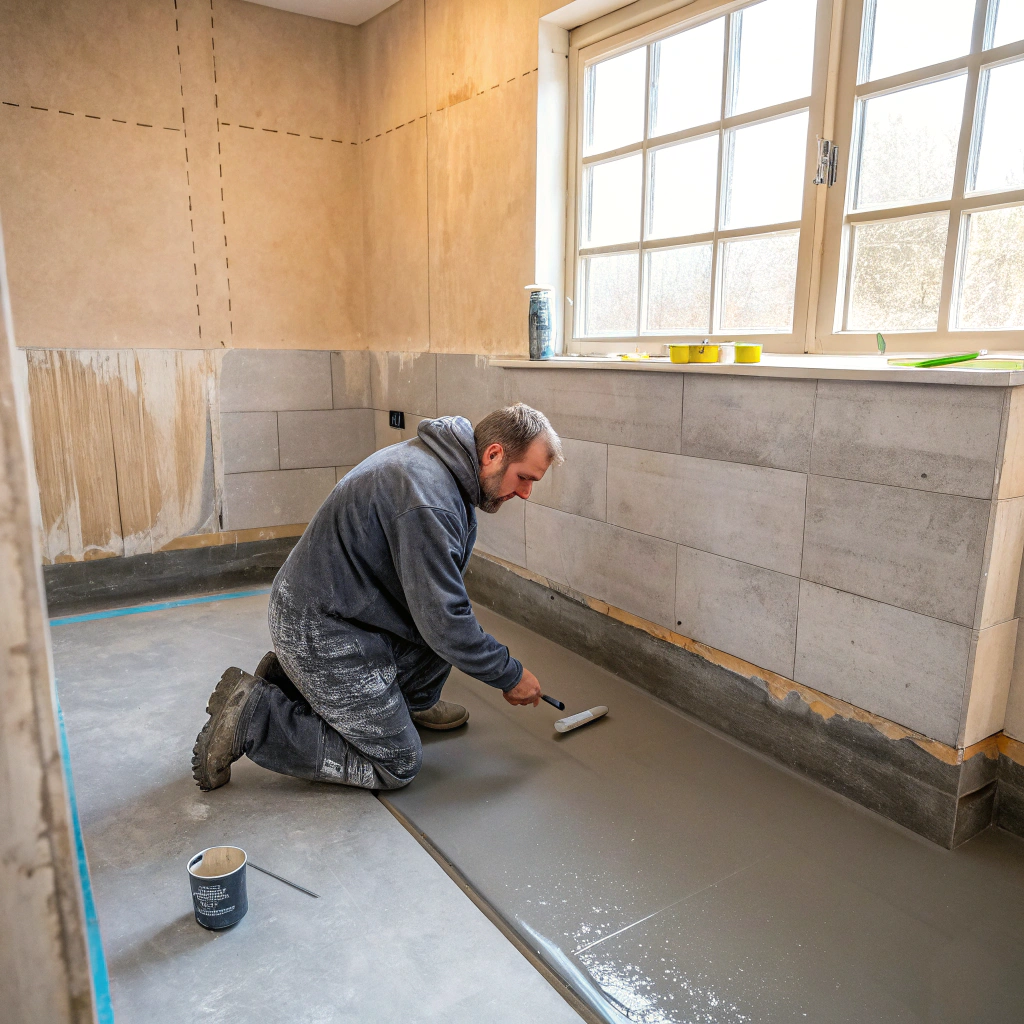
Why the Shower Recess Is the Most Demanding Waterproofing Environment in Your Home
Most wet areas in your home deal with incidental water — splash from a basin, condensation, the occasional overflow. The shower recess is different. Every time someone showers, the walls, floor, and every junction point are under direct, sustained water pressure all at once. No other surface in your home takes that kind of load on a daily basis.
In Townsville, the wet season makes this harder. Humidity stays high enough that your shower may never fully dry between uses. A minor deficiency in the membrane doesn’t get a chance to dry out and stabilise — moisture keeps moving, slowly working its way behind tiles and into wall cavities.
The damage this causes is invisible until it’s significant. Water ingress advances quietly — no visible leak, no obvious sign — until timber rot, structural damage, or heavy mould growth has already taken hold.
That’s why the shower recess is the one place in your home where waterproofing quality matters most.
Our Shower Waterproofing Services in Townsville
New Shower Waterproofing
For new bathroom renovations and new shower installations, waterproofing is the stage that sets everything else up. We handle the full scope — priming, membrane application, junction treatment, curing, and sign-off before the tiling trade comes in. Compliance is established at this point, not added as an afterthought once problems appear later.
Shower Waterproofing Remediation
When existing waterproofing has failed, the only permanent fix is full remediation. We remove the tiles, strip the failed membrane back to the substrate, assess and repair the substrate where needed, then reapply a fully compliant membrane before retiling. If your shower is leaking, our leaking shower repair page covers this in more detail.
Shower Waterproofing Inspection
Before retiling an existing shower, it’s worth knowing what condition the current waterproofing is in — especially in older Townsville homes where the original membrane may be well past its serviceable life. We can assess what’s there before renovation work begins, so there are no surprises once tiles come off.
Partial Junction & Penetration Repair
Where a failure is genuinely isolated to a specific junction or penetration point and the broader membrane remains intact, targeted repair is an option. This is appropriate only where the rest of the membrane is sound — it’s not a substitute for full remediation where broader failure exists.
Walk-In Shower Waterproofing
Walk-in showers have specific waterproofing requirements due to their open configuration. The wet zone extends beyond the immediate shower floor, and drainage placement plays a bigger role in how the membrane is applied. We cover the detail in our walk-in shower installation page.
AS 3740 Compliance: What Licensed Shower Waterproofing Requires
AS 3740 is the Australian Standard that sets the minimum requirements for waterproofing in wet areas. Every shower waterproofing installation we carry out is compliant with this standard — no exceptions.
Membrane Coverage Requirements
The full shower floor area must be waterproofed without exception. Walls must be waterproofed to a minimum height of 1800mm above the shower floor — or to the full height of the tiled surface where that exceeds 1800mm. These are the baseline requirements we work to on every installation.
Junction & Penetration Requirements
Junctions and penetration points are where most waterproofing failures begin. Every compliant installation requires:
- All floor-to-wall junctions treated with reinforcing fabric bedded into wet membrane
- All internal wall-to-wall corners treated with reinforcing fabric
- All pipe penetrations sealed and treated
- The drain connection sealed at membrane level — water cannot bypass the membrane at the drain point
None of these are optional. They are non-negotiable elements of every installation we carry out.
Curing & Sign-Off Requirements
Once the membrane is applied, it must cure fully before tiling begins. The minimum curing period is determined by the membrane product used — and it is not a step we skip under time or cost pressure. Sign-off by a licensed waterproofer happens before the job is handed to the tiling trade. Rushing this stage is one of the most common causes of premature waterproofing failure.
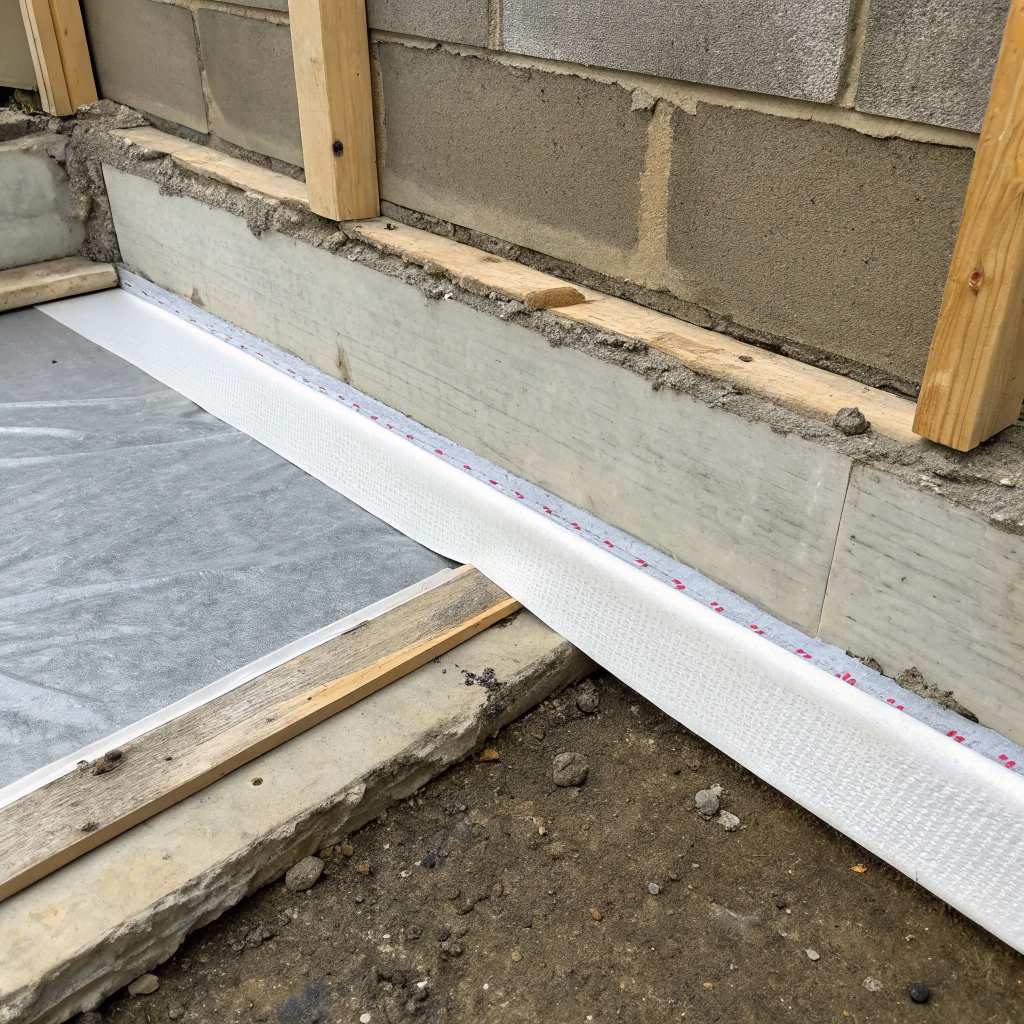
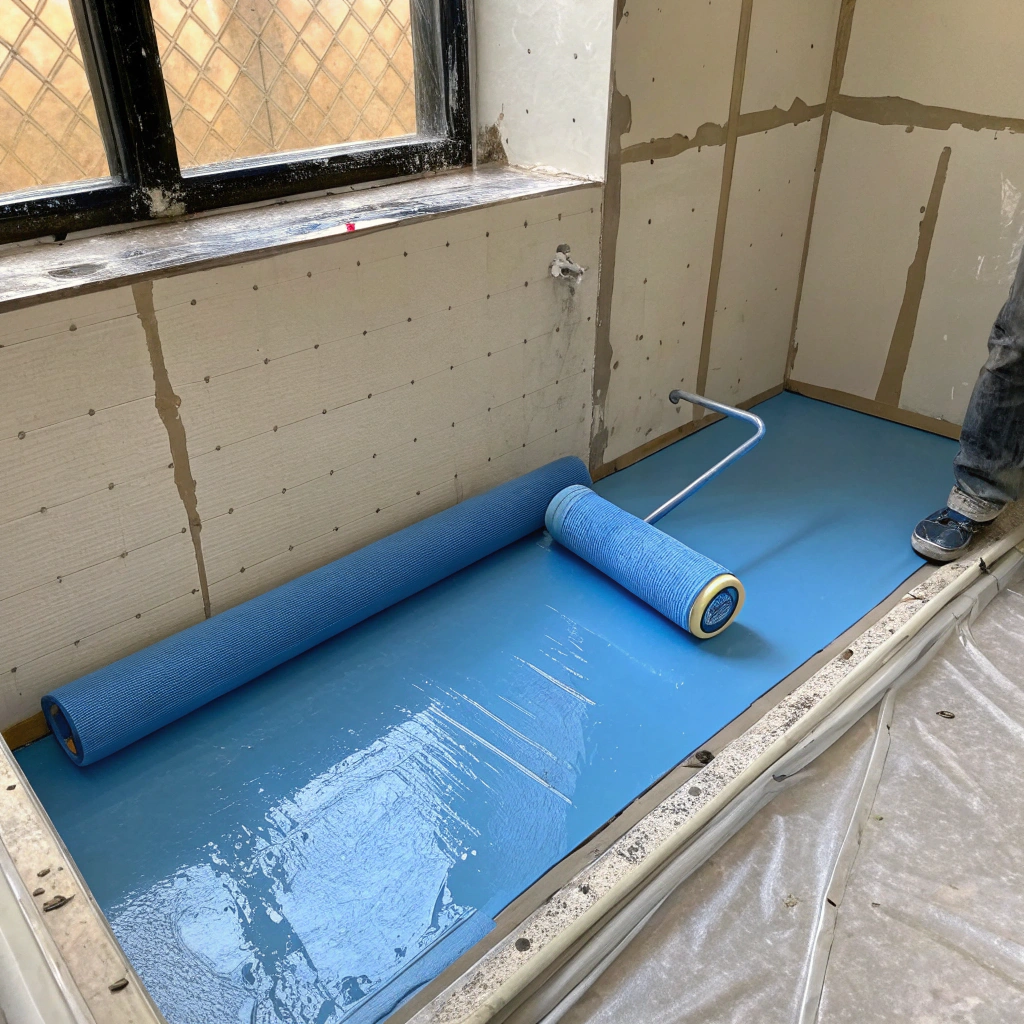
Junction Treatment — Where Shower Waterproofing Most Commonly Fails
Most shower waterproofing failures don’t start across the flat membrane surface. They start at junctions.
Junctions are where two surfaces meet — floor to wall on all four sides, wall to wall at every internal corner, the drain penetration, and every pipe penetration. These points experience the highest movement stress in the shower recess as the building shifts with temperature and moisture cycling. A membrane that isn’t correctly reinforced at these points will eventually crack or separate.
Correct junction treatment means reinforcing fabric applied into wet membrane, fully embedded, with membrane applied to the correct thickness over the top and allowed to cure before proceeding.
The common shortcuts — fabric not embedded, membrane too thin over junctions, junctions skipped under time pressure — are the reason showers that looked fine at handover are leaking within a few years. Every junction on every installation we carry out is treated correctly.
Shower Waterproofing Remediation — The Only Permanent Fix for a Leaking Shower
Signs Your Shower Waterproofing Has Failed
By the time these signs appear, water ingress has typically been occurring for some time:
- Persistent damp patches on walls adjacent to the shower
- Tiles that sound hollow or soft when tapped
- Grout cracking or tiles lifting without any impact
- Mould reappearing shortly after cleaning
- A musty smell in the bathroom that doesn’t clear
The Remediation Process
Full remediation is the only solution that stops a leaking shower permanently. Here’s what the process involves:
- Remove shower tiles
- Strip the failed membrane back to the substrate
- Assess and repair the substrate where needed
- Reapply a fully AS 3740 compliant membrane
- Treat all junctions and penetration points correctly
- Allow full curing before retiling
- Retile and finish
Why Surface Repairs Don’t Work
Regrouting, resealing, and applying silicone over the problem are surface treatments. They address the symptom, not the membrane failure beneath. Water continues to bypass the membrane and damage continues to progress — often faster, because the problem is now hidden under a fresh surface.
Walk-In Shower Waterproofing — What the Open Configuration Requires
Walk-in showers are increasingly popular in Townsville bathroom renovations — and they come with specific waterproofing requirements that a standard shower enclosure doesn’t have.
Without a screen to contain water, the wet zone extends beyond the immediate shower floor. How far it extends depends on the shower configuration, the position of the shower head, and where the drain sits. The membrane coverage has to account for the full area that water realistically reaches — not just the footprint directly under the head.
Drainage engineering also plays a bigger role in walk-in shower waterproofing. The drain position and fall of the floor directly affect how water moves across the wet zone, which in turn affects how the membrane needs to be applied and where the coverage needs to extend.
Getting these details right at the waterproofing stage prevents water migrating outside the wet zone and into the broader bathroom floor structure.
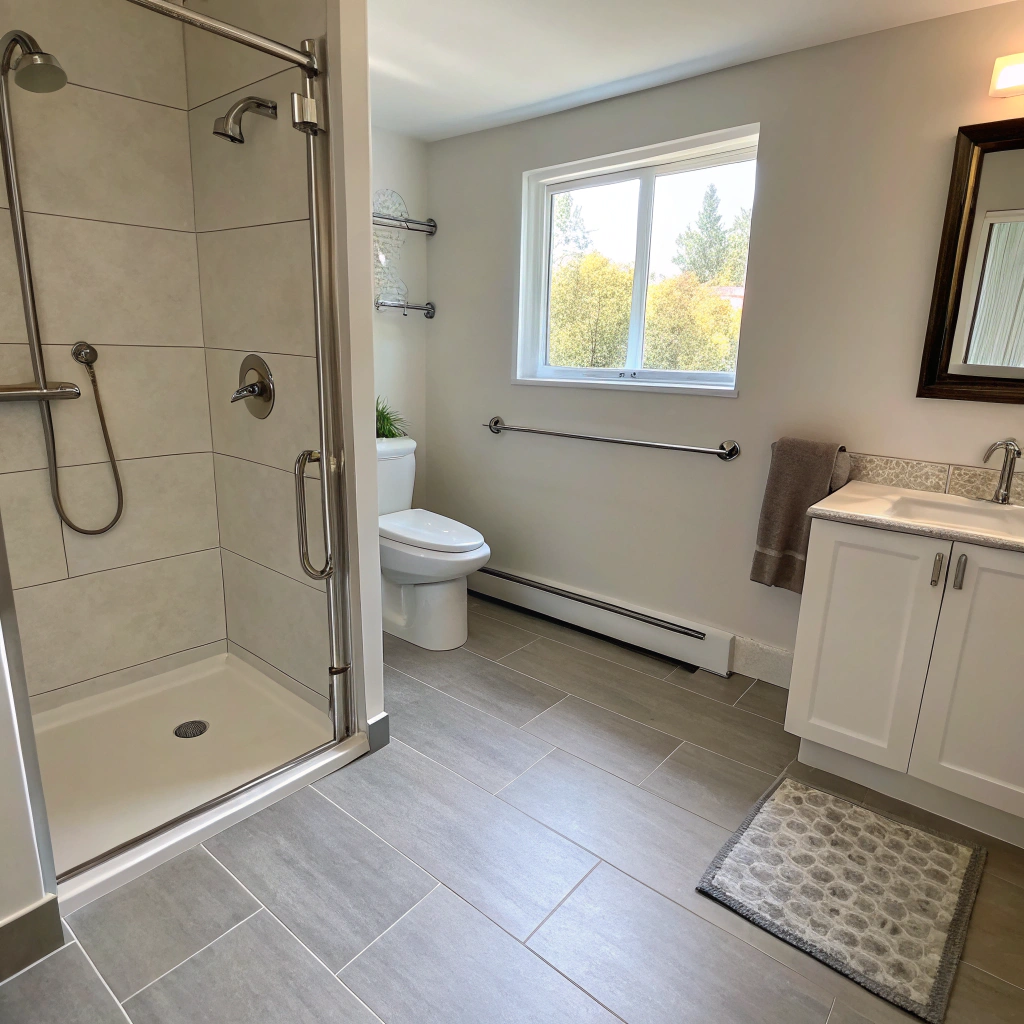
Shower Waterproofing in Townsville — Local Conditions, Local Suburbs
Townsville’s tropical climate makes waterproofing performance more critical than in most other Australian cities. The wet season brings sustained humidity that keeps shower recesses damp between uses — and even a minor membrane deficiency that might go unnoticed in a drier climate will allow moisture to accumulate and progress quickly here.
The older housing stock across inner Townsville suburbs adds to this. Many homes built between the 1970s and 1990s in areas like Kirwan, Annandale, Aitkenvale, Hermit Park, Mount Louisa, Bohle Plains, Idalia and Thuringowa have original shower waterproofing that is well past its serviceable life — often applied before AS 3740 requirements were in place at all.
If you’re planning a bathroom renovation or dealing with a shower that’s showing signs of failure, we’re the right first call.
Licensed waterproofer. AS 3740 compliant installations. Servicing Townsville and surrounding suburbs. Built for North Queensland conditions.
Frequently Asked Questions About Shower Waterproofing in Townsville
How long does shower waterproofing last?
A correctly installed shower membrane, applied to AS 3740 by a licensed waterproofer, should last the life of the tiled installation. Most premature failures come down to incorrect application — thin membrane coverage, untreated junctions, or insufficient curing time — not the product itself.
How do I know if my shower waterproofing has failed?
The most common signs are damp patches on walls adjacent to the shower, tiles that sound hollow when tapped, grout cracking or lifting, mould that keeps coming back despite cleaning, and a musty smell that won’t clear. By the time these signs appear, water ingress has usually been occurring for some time.
Can you waterproof a shower without removing the tiles?
In most cases, no. Where the waterproofing membrane beneath the tiles has failed, the tiles need to come off to strip the failed membrane and reapply a compliant one. Surface treatments applied over existing tiles don’t fix the membrane failure beneath — they only mask it temporarily.
How long does the waterproofing process take?
The membrane application itself is relatively straightforward, but the curing period needs to be respected before tiling can begin. Depending on the membrane product used, curing typically takes at least 24 to 48 hours. We don’t rush this stage — cutting curing time short is one of the most common causes of premature failure.
What is AS 3740 and why does it matter?
AS 3740 is the Australian Standard for waterproofing in wet areas. It sets the minimum requirements for membrane coverage, junction treatment, penetration sealing, and sign-off. Every shower waterproofing installation we carry out is compliant with this standard — it’s the baseline, not an optional extra.
Do you waterproof walk-in showers?
Yes. Walk-in showers have specific requirements because the wet zone extends beyond the immediate shower floor. We determine the correct membrane coverage based on the shower configuration, head placement, and drain position — and we make sure drainage engineering is right before waterproofing proceeds.
Why does my shower keep leaking after resealing?
Resealing addresses the surface, not the membrane beneath. If the waterproofing membrane has failed, water continues to bypass it regardless of what’s applied on top. If your shower has been resealed more than once and the problem keeps returning, full waterproofing remediation is the only permanent fix.
Book Your Free Shower Waterproofing Assessment
Whether you’re planning a new shower, dealing with a leaking one, or not sure what condition your existing waterproofing is in — we can help.
We offer a free shower waterproofing assessment and quote across Townsville and surrounding suburbs. No obligation, no pressure — just a clear picture of what’s needed and what it will cost.
Call us today or fill out our contact form to book your free assessment.
📞 0748041050
Why homeowners across Townsville choose us:
- Licensed waterproofer — Queensland building regulations compliant
- AS 3740 certified installations
- Servicing Townsville and surrounding suburbs
- Workmanship guaranteed
