

Professional Leaking Shower Repair Services in Townsville
Have you already tried regrouting it — or run a fresh bead of silicone around the base — only to find the leak came back anyway? Maybe you noticed the water stain on the ceiling below before you even spotted the problem in the shower itself.
You’re not alone. And the reason it keeps coming back is usually simple: the fix didn’t match the actual cause.
In Townsville’s tropical climate, a leaking shower isn’t something you can leave for later. The wet season humidity pushes water through wall cavities and into subfloors faster than it would in a cooler, drier city. What starts small can turn into serious structural damage and mould before you know it.
We’re Townsville’s leaking shower repair specialists — licensed trades who find the root cause first, then recommend the right fix for that specific problem.
Why Is My Shower Leaking?
A leaking shower in Townsville is almost always caused by a failure somewhere in the waterproofing system — either at the surface level or behind the tiles in the membrane itself.
The most common root causes, from most to least serious:
- Failed waterproofing membrane — once the membrane behind the tiles breaks down, water moves freely into the substrate and surrounding structure
- Cracked or deteriorated grout — allows water to reach the substrate with every shower.
- Failed silicone at junctions — floor-to-wall, screen-to-wall, and pipe penetrations all degrade over time
- Cracked tiles — even hairline cracks create a consistent ingress point.
- Failed shower screen seal — worn seals and channels allow water onto the floor and into wall junctions.
- Substrate movement — causes grout and tile cracking over time as the structure shifts.
Getting the diagnosis right matters. A surface fix applied to the wrong problem won’t stop the leak.
I WANT A FREE QUOTE ▼
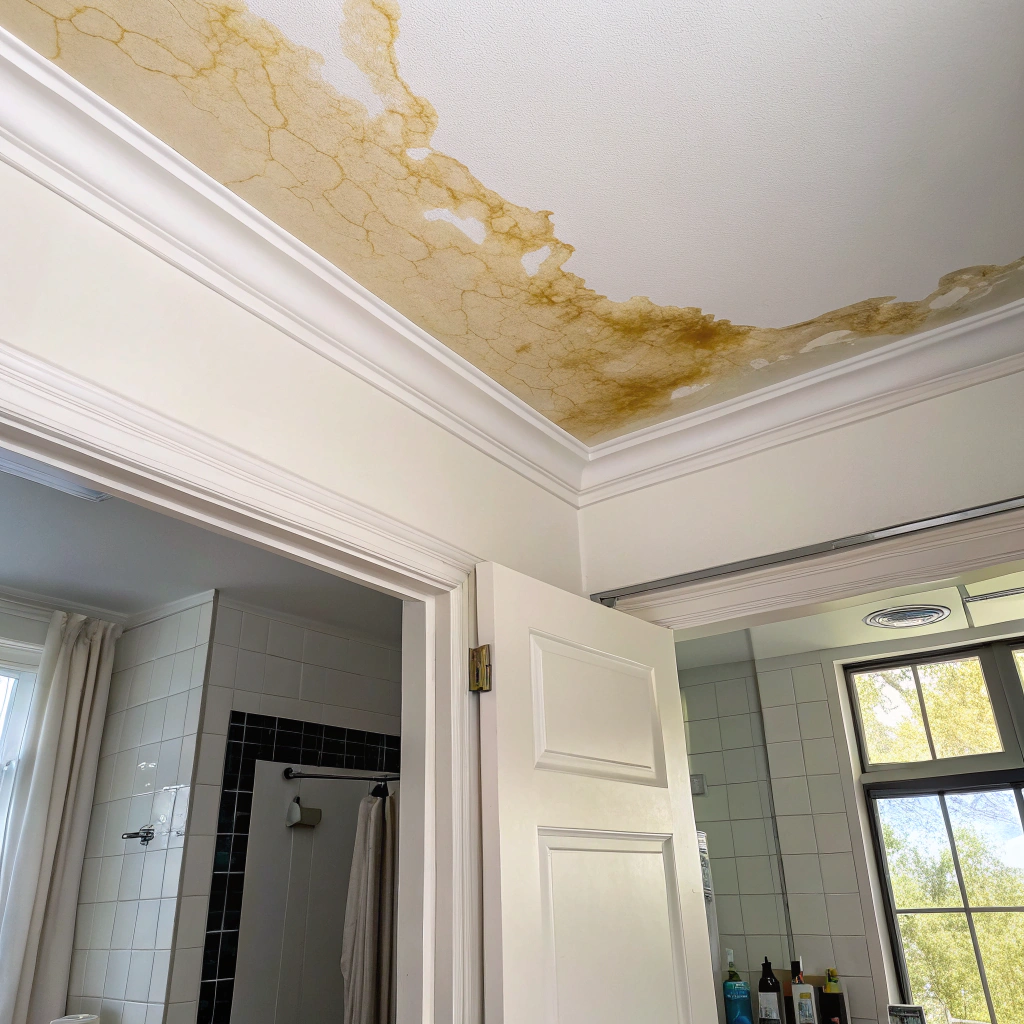
Why Townsville's Climate Makes a Leaking Shower Urgent
Townsville isn’t like most Australian cities when it comes to moisture. The tropical wet/dry climate means humidity is elevated year-round — and during the wet season, that humidity finds its way into every gap, crack, and compromised junction it can.
A leaking shower that might progress slowly in Brisbane or Melbourne moves faster here. Water gets into wall cavities, damages subfloors, and spreads to adjoining rooms more quickly than most homeowners expect. Mould in an enclosed wall space isn’t just a cosmetic problem — it’s a health risk, and it’s common in Townsville homes where a leak has been left unaddressed or incorrectly patched.
It’s also worth knowing that a large portion of Townsville’s housing stock — particularly across inner suburbs — was built between the 1970s and 1990s. The original waterproofing in those homes is frequently well past its serviceable life, even if the shower looks fine on the surface.
The sooner the cause is identified, the less damage there is to repair.
The Root Causes of a Leaking Shower
Understanding why your shower is leaking is the first step to fixing it properly. Here’s a plain-language breakdown of the most common causes we find in Townsville homes.
Failed Waterproofing Membrane: The membrane behind your tiles is what keeps water contained. When it breaks down through age or movement, water moves freely into the substrate and surrounding structure. Nothing on the surface will stop it.
Cracked or Deteriorated Grout: Grout isn’t waterproof, but intact grout slows water down. When it cracks or deteriorates, water hits the substrate directly with every shower — gradually breaking it down and accelerating the damage behind the tiles.
Failed Silicone at Junctions: Floor-to-wall, screen-to-wall, and pipe penetrations are movement points. Silicone at these junctions degrades and cracks over time, and Townsville’s temperature cycles speed that process up considerably. When it fails, water gets in fast.
Cracked Tiles: Even a hairline crack creates a consistent ingress point. Water enters the substrate through that crack with every shower — it might look minor on the surface, but the damage underneath builds up steadily over time.
Shower Screen Seal Failure: Seals and channels at the base and sides of a screen wear down with use. When they fail, water escapes onto the floor and into wall junctions — sometimes mistaken for a deeper waterproofing issue when the fix is straightforward.
Why Surface Fixes Keep Failing
If you’ve already had the shower regrouted or re-siliconed and the leak came back, there’s a straightforward reason for it — the fix didn’t match the cause.
Regrouting over failing grout, applying fresh silicone over old silicone, or painting on a surface waterproofing product are all treatments for symptoms. If the waterproofing membrane behind the tiles has failed, none of those things stops water from reaching the substrate. The water just finds its way through a different path.
We’re not here to sell a bigger job than what’s needed. If the cause is a failed silicone junction, that’s what gets replaced — and it’s a straightforward repair. But if the membrane has failed, the lasting fix requires tile removal, membrane reapplication to AS 3740, and retiling. Applying a surface treatment to that problem is money spent twice.
Knowing which situation you’re in is exactly what our diagnostic process is designed to find out.
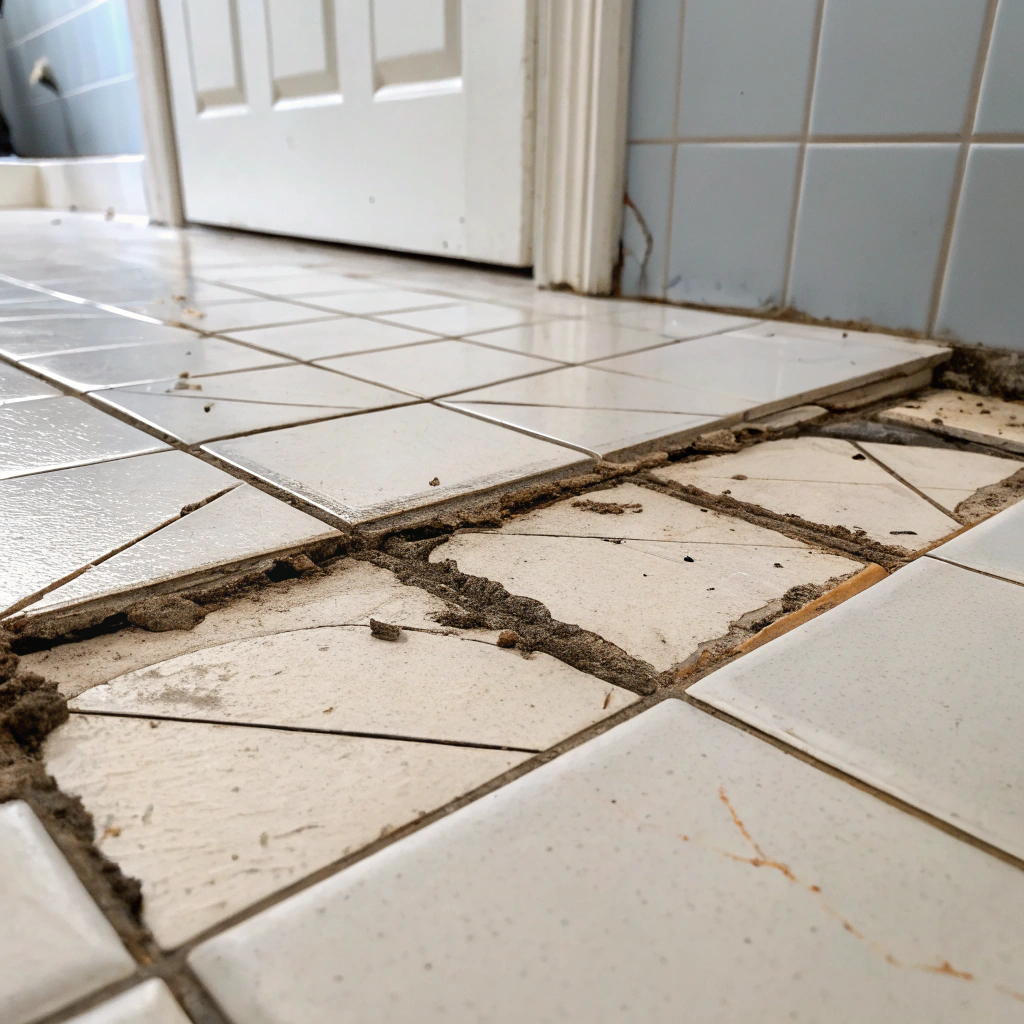
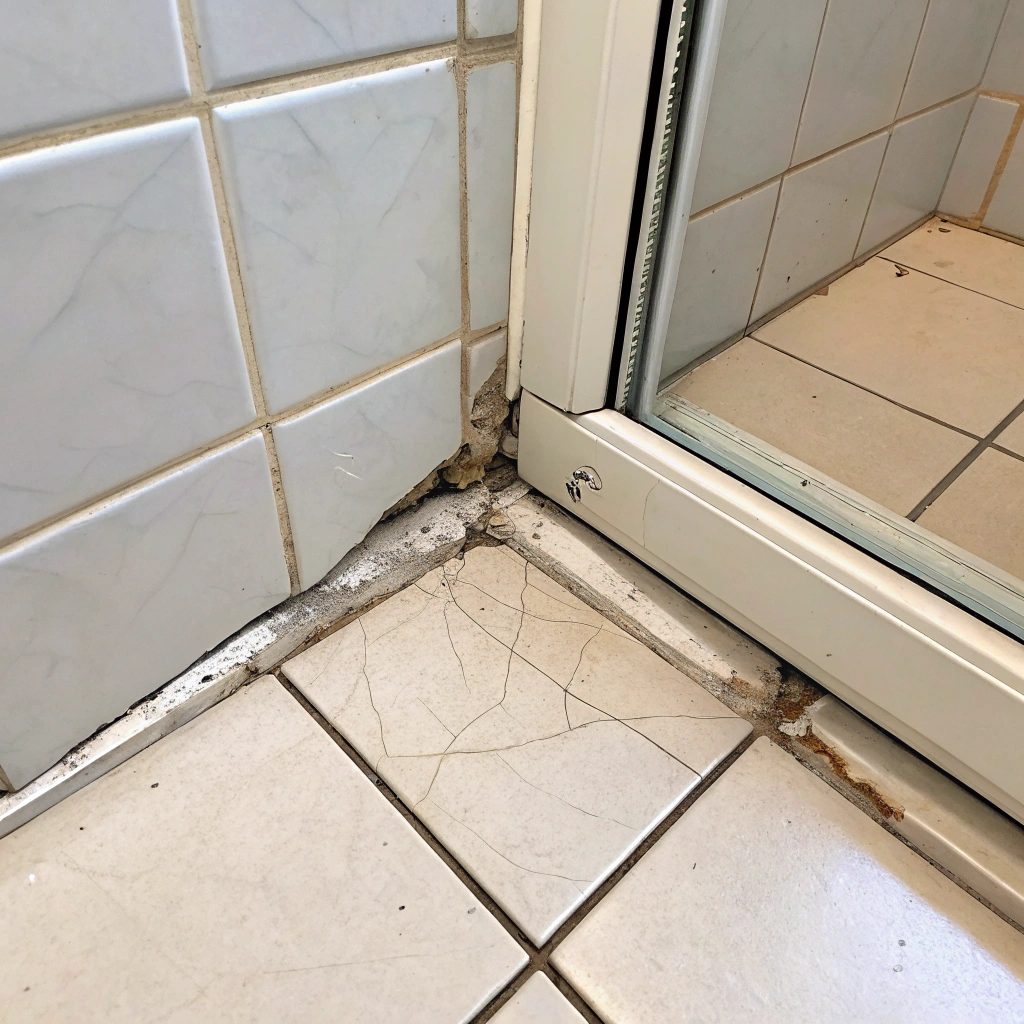
How We Diagnose the Cause of Your Leaking Shower
Before we recommend any repair, we find out exactly what’s causing the leak. Here’s how that process works.
Initial Assessment
We start with a thorough visual inspection — grout lines, silicone junctions, tiles, screen seals, and any visible water damage in adjoining areas. We also check for soft subfloor, water marks on ceilings below, and mould at wall bases.
Identifying the Failure Point
From the initial assessment, we determine whether the issue is at the surface — silicone, grout, or screen seal — or deeper in the waterproofing membrane or substrate. Where relevant, moisture testing helps confirm what’s happening behind the tiles.
Honest Scope Recommendation
Once we’ve identified the cause, we recommend the repair that matches it. If only the silicone junctions have failed, that’s what gets fixed. If the membrane has failed, we explain why tile removal and membrane reapplication is the right path — clearly and without pressure.
That diagnosis is what everything else is built on — including the repair work itself.
What Leaking Shower Repairs in Townsville Actually Involve
The scope of a leaking shower repair depends entirely on what the diagnosis finds. Here’s what the work can involve depending on the cause.
Where failed silicone is the issue, we replace it at the relevant junctions — floor-to-wall, screen-to-wall, and pipe penetrations. Where grout failure is confirmed, we regrout the affected areas and apply a grout sealer. Where the shower screen seal has worn down, we reseal or replace it.
Where waterproofing membrane failure is confirmed, the repair requires tile removal, membrane reapplication to AS 3740, and retiling. It’s the most involved repair scope — but it’s the only fix that actually works when the membrane has failed.
In every case, the repair scope is set by the diagnosis. Nothing more, nothing less.
Suburbs We Service Across Townsville
We carry out leaking shower repairs across Townsville and the surrounding suburbs. Whether you’re in Kirwan, Annandale, Aitkenvale, Hermit Park, Hyde Park, Mundingburra, or Cranbrook, we cover your area.
We also service Kelso, Thuringowa, Bohle Plains, Mount Louisa, Idalia, and Wulguru regularly. If you’re not sure whether we come to you, just call — the service area is broad.
It’s worth noting that older homes across inner suburbs like Hermit Park, Aitkenvale, and Annandale frequently have original waterproofing that’s well past its serviceable life. The shower may look intact on the surface, but the membrane underneath is often the first thing to go in homes built before the 1990s.
If you’re in one of those suburbs and your shower has never been fully waterproofed, it’s worth getting it assessed sooner rather than later.
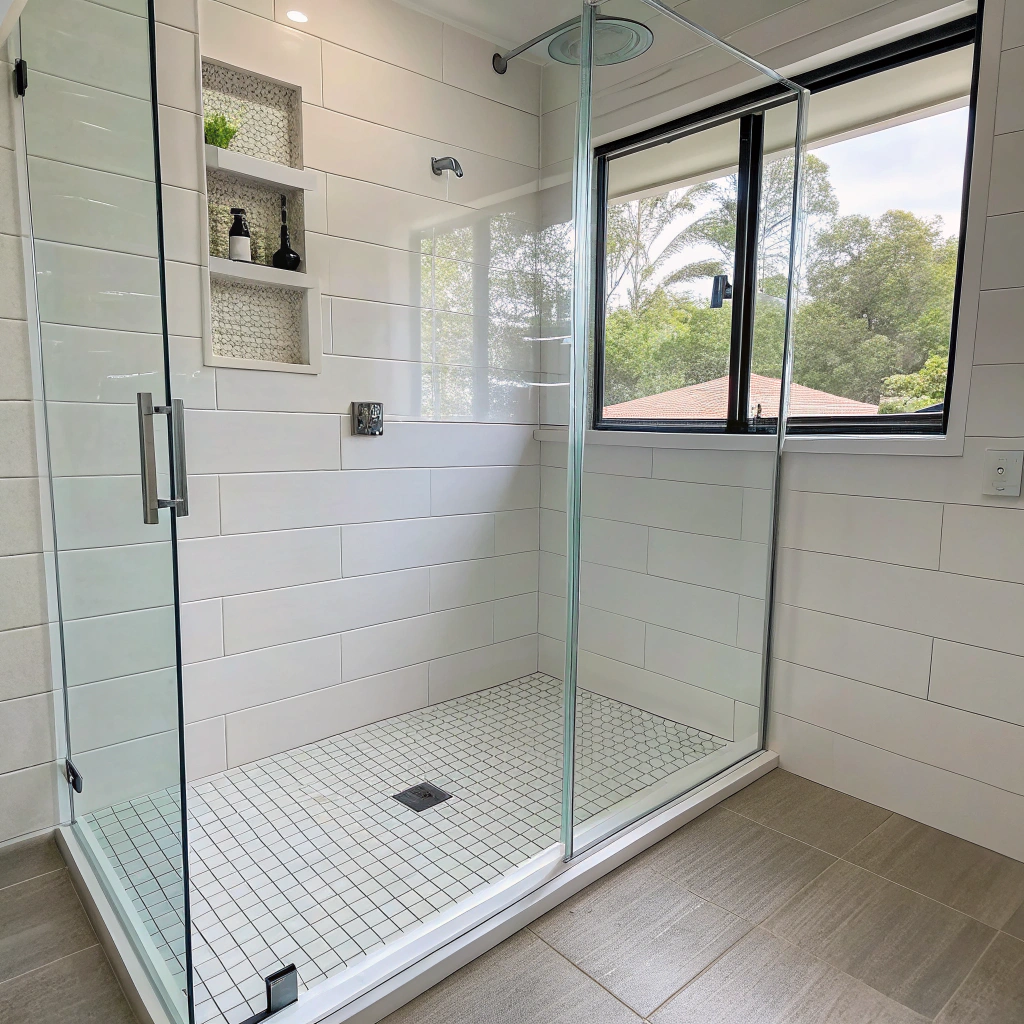
Licensed Trades, Compliant Waterproofing & Guaranteed Workmanship
Licensed and Insured Trades
All repair work is carried out by licensed tradespeople. In Queensland, waterproofing and tiling work on wet areas requires a licensed contractor under QBCC regulations, which means the work is done to a standard that protects you and your property.
AS 3740 Waterproofing Compliance
Where waterproofing membrane work is required, we apply it to the Australian Standard AS 3740. This is the national benchmark for wet area waterproofing — it sets out exactly how a membrane must be applied to perform as intended. Work done to this standard gives you confidence that the repair will hold.
Workmanship Guarantee
Our repairs are backed by a workmanship guarantee. You’re paying for a fix that lasts — not a patch that buys you a few months before the problem returns. If something isn’t right, we make it right.
Frequently Asked Questions
How do I know if my shower is leaking or if it's just condensation?
If the moisture is coming from condensation, it usually clears once the bathroom dries out. If you’re seeing water stains on the ceiling below, damp patches on adjoining walls, or mould at the base of the wall, that’s a leaking shower — not condensation. We can confirm it during an assessment.
Can you fix a leaking shower without removing the tiles?
Sometimes, yes. If the cause is failed silicone at the junctions or a worn shower screen seal, we can repair without touching the tiles. If the waterproofing membrane has failed, tile removal is required — there’s no lasting fix without getting to the membrane itself.
How long does a leaking shower repair take?
It depends on the cause. A silicone or screen seal repair can be done in a few hours. Where tile removal and membrane reapplication are required, the job typically takes two to three days, including cure time for the membrane before tiling can begin.
Will regrouting fix my leaking shower?
Only if deteriorated grout is the actual cause. If the waterproofing membrane has failed, regrouting won’t stop the leak — it treats the surface while water continues to move through the substrate underneath. We diagnose the cause first so you’re not spending money on a fix that won’t work.
How much does a leaking shower repair cost in Townsville?
The cost depends entirely on what the diagnosis finds. A silicone junction repair is significantly less involved than a full membrane reapplication and retiling. We provide a clear quote once we’ve assessed the shower — no surprises and nothing added on later.
Is a leaking shower covered by home insurance?
In most cases, gradual leaks are not covered by home insurance policies, which generally exclude damage that develops over time rather than from a sudden event. We’d recommend checking your policy directly, but most homeowners we work with are paying for the repair out of pocket.
What is AS 3740 and why does it matter?
AS 3740 is the Australian Standard for waterproofing of domestic wet areas. It sets out exactly how a waterproofing membrane must be applied — coverage, height, junction treatment, and cure time. When we carry out membrane work, we apply it to this standard so the repair performs as intended and holds up long-term.
Ready to Stop the Leak for Good?
The longer a leaking shower goes unaddressed in Townsville’s climate, the more damage it does behind the scenes. The good news is that once we know the cause, we know the fix — and we’ll explain both clearly before any work begins.
Here’s how it works:
- Assessment — we inspect the shower and identify the cause of the leak
- Diagnosis — we explain what we’ve found and recommend the right repair scope
- Repair — we carry out the work to a licensed, compliant standard with workmanship guaranteed
📞 0748041050
Call us today to book your assessment or get a free quote.
